Tel: +255 658 935 114

home > Top Travel Attractions > Selous Game Reserve (Nyerere National Park)
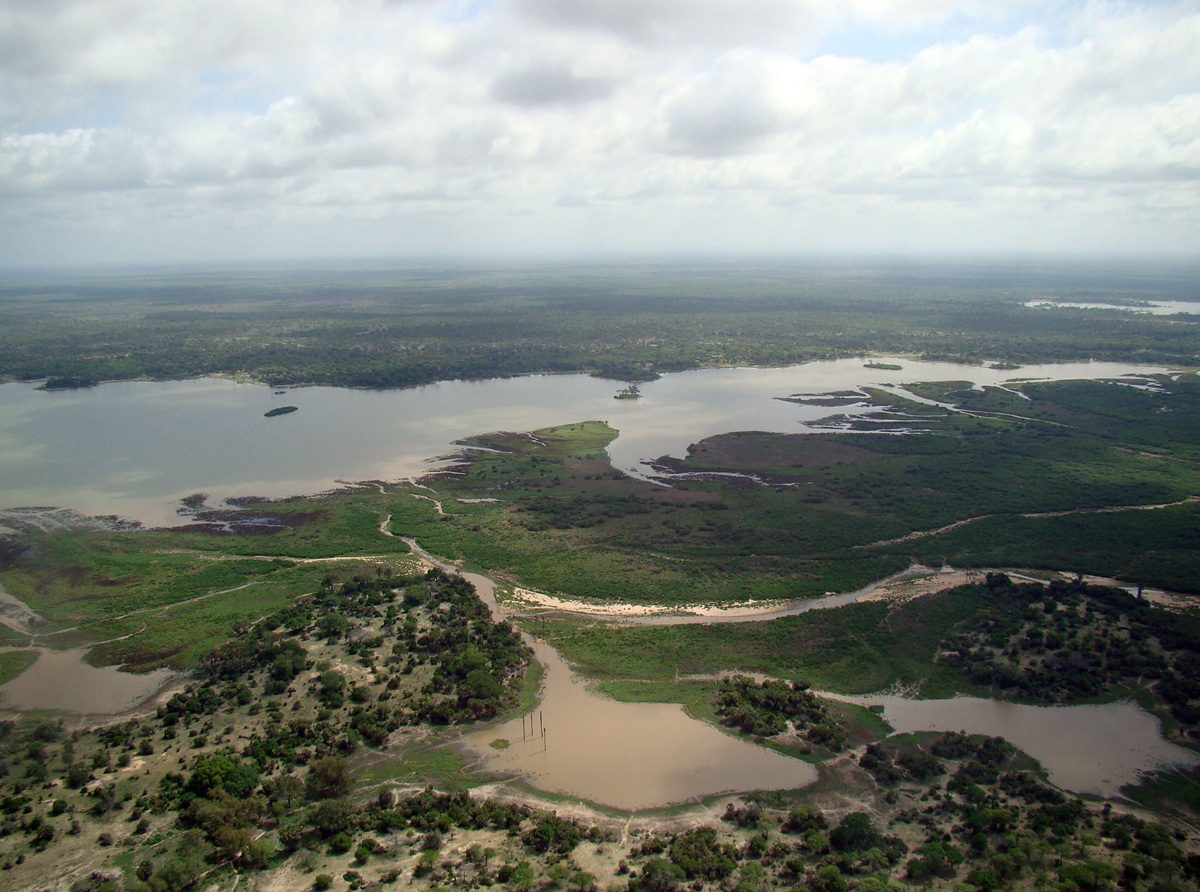
In the deep south of Tanzania lies a vast sanctuary where nature moves with an ancient rhythm, a place where wilderness stretches far beyond the horizon and human presence feels only like a distant whisper. This is Nyerere National Park, formerly known as Selous Game Reserve. Covering more than 30,000 square kilometers, it stands today as one of the most expansive and untamed protected areas in Africa. Its immense woodlands, open plains, flourishing wetlands, and riverine forests shelter wildlife populations as rich and diverse as any on the continent. For us at Mountains 2 Marshes Expeditions, it represents the Africa that stirs the imagination: raw, quiet, boundless, and profoundly alive.
The park bears the legacy of Frederick Courtney Selous, the famed naturalist and explorer whose passion for Africa’s wild places helped inspire early conservation efforts. Decades later, the reserve was partially reclassified and renamed in honor of Julius Kambarage Nyerere, Tanzania’s founding leader and a champion of thoughtful stewardship. This evolution from Selous to Nyerere reflects not only a shift in title but also a renewed national commitment to safeguarding one of the world’s last truly wild landscapes.
A Conservation Stronghold
Nyerere National Park traces its protected origins back to 1922, making it one of Africa’s earliest conservation areas. Over the years, its purpose has remained constant: to preserve vast ecosystems and the irreplaceable wildlife that depends on them. The park supports one of the continent’s largest remaining elephant populations, along with healthy numbers of lions, buffalo, hippos, and the highly endangered African wild dog.
Through ongoing anti-poaching efforts, ecological monitoring, and community partnerships, Nyerere continues to stand at the forefront of modern conservation. Here, nature remains intact because protection is deliberate, science-driven, and supported by those who call the region home.
Landscapes Shaped by the Rufiji
The character of Nyerere National Park is shaped by the great Rufiji River, a powerful waterway that winds through the reserve and nourishes a web of lakes, marshes, channels, and floodplains. This river system forms one of the most important wetland habitats in East Africa, supporting large concentrations of aquatic life and serving as an essential water source for the park’s wildlife.
Across its 30,893 square kilometers, Nyerere offers a rich tapestry of habitats:
These shifting landscapes, combined with the park’s varying altitude, create a visual narrative that evolves from one moment to the next. For photographers and naturalists, Nyerere is a canvas of endless discovery.
Reaching the Heart of the Park
Situated roughly 230 kilometers southwest of Dar es Salaam, Nyerere National Park feels distant from the typical safari trail and that is part of its appeal.
By Air
Scheduled and charter flights from Dar es Salaam, Arusha, and Zanzibar provide rapid access to the park. Airstrips such as Mtemere, Siwandu, and Beho Beho offer ideal gateways, with flight times ranging between 45 minutes and an hour. From the sky, travelers gain a sweeping view of the Rufiji’s winding channels and the immense woodland expanses that define the region.
By Road
A five- to six-hour drive from Dar es Salaam brings visitors into the park through a route enriched with glimpses of village life, roadside markets, and rural Tanzania’s day-to-day rhythms. Though longer, the road journey offers its own sense of immersion, gradually transitioning into the stillness of the southern wilderness.
For extended explorations, Mountains 2 Marshes Expeditions often pairs Nyerere with Ruaha National Park or Mikumi National Park to create a dynamic and diverse southern circuit experience.
Wildlife and Ecology
Nyerere National Park harbors remarkable wildlife populations, many of which thrive due to the park’s isolation and abundance of water. The Rufiji River system draws large gatherings of animals, especially during the dry months.
Iconic Species
Birdlife
Nyerere is an exceptional birdwatching destination, home to more than 440 species. Its wetlands host African skimmers, storks, kingfishers, and fish eagles, while miombo woodlands support species found in few other Tanzanian parks.
Ecological Harmony
The biodiversity of Nyerere is made possible by its intact ecosystems miombo forests, wetlands, grasslands, and river systems that work together to sustain a thriving web of life. This ecological richness is one of the reasons the park has long been celebrated as an untouched stronghold of African wilderness.
Safari Activities Crafted for True Exploration
At Mountains 2 Marshes Expeditions, we specialize in delivering experiences that reflect the authentic character of Nyerere National Park.
Game Drives
Our guided drives explore the diverse habitats where predators roam and herbivores gather. Morning and late-afternoon excursions offer prime opportunities to witness wildlife interactions in the softest natural light.
Boat Safaris
Arguably the signature activity of Nyerere, boat safaris along the Rufiji River reveal a side of African wilderness rarely seen elsewhere. Travelers glide past hippo pods, crocodiles, and abundant birdlife while enjoying views found only in this extraordinary park.
Walking Safaris
Immersive, ground-level adventures are led by trained naturalists and armed rangers. These walks offer an intimate look at the ecosystem, from animal tracks to medicinal plants to hidden animal behaviors.
Fly-Camping and Bush Dining
For guests seeking deeper solitude, fly-camping delivers an unforgettable night beneath Tanzania’s southern skies. Bush meals along the riverbanks or lakeshores add to the atmosphere with the sounds of the wild surrounding you.
Cultural Engagements
Neighboring communities such as the Ndengereko, Matumbi, and Lusewa peoples share their traditions through cultural visits, where travelers can experience music, craftwork, food, and the values that have shaped life in the southern regions for generations.
The Best Time to Visit
Nyerere National Park offers rewarding experiences throughout the year.
Each season brings its own rhythm, allowing travelers to experience different facets of the wilderness.
Accommodation
The park offers lodging options for every style of exploration:
All accommodations offer access to both game drives and boat safaris, providing a complete sense of the park’s ecological richness.
Why Nyerere National Park Belongs on Your Safari Journey
For travelers drawn to places unspoiled by crowds, where the wilderness feels infinite and wildlife flourishes naturally, Nyerere National Park offers an unmatched experience. It is a place defined not by the presence of people but by the profound power of nature. Here, the landscapes feel ancient, the river runs wild, and every moment brings a sense of raw discovery.
At Mountains 2 Marshes Expeditions, we take pride in guiding guests into this remote and extraordinary region where adventure is authentic, silence is restorative, and the true spirit of Tanzania comes alive.


Tel: +255 658 935 114
info@m2mtanzaniaexpeditions.com
sales@m2mtanzaniaexpeditions.com