Tel: +255 658 935 114

home > Top Travel Attractions > Ngorongoro Conservation Area
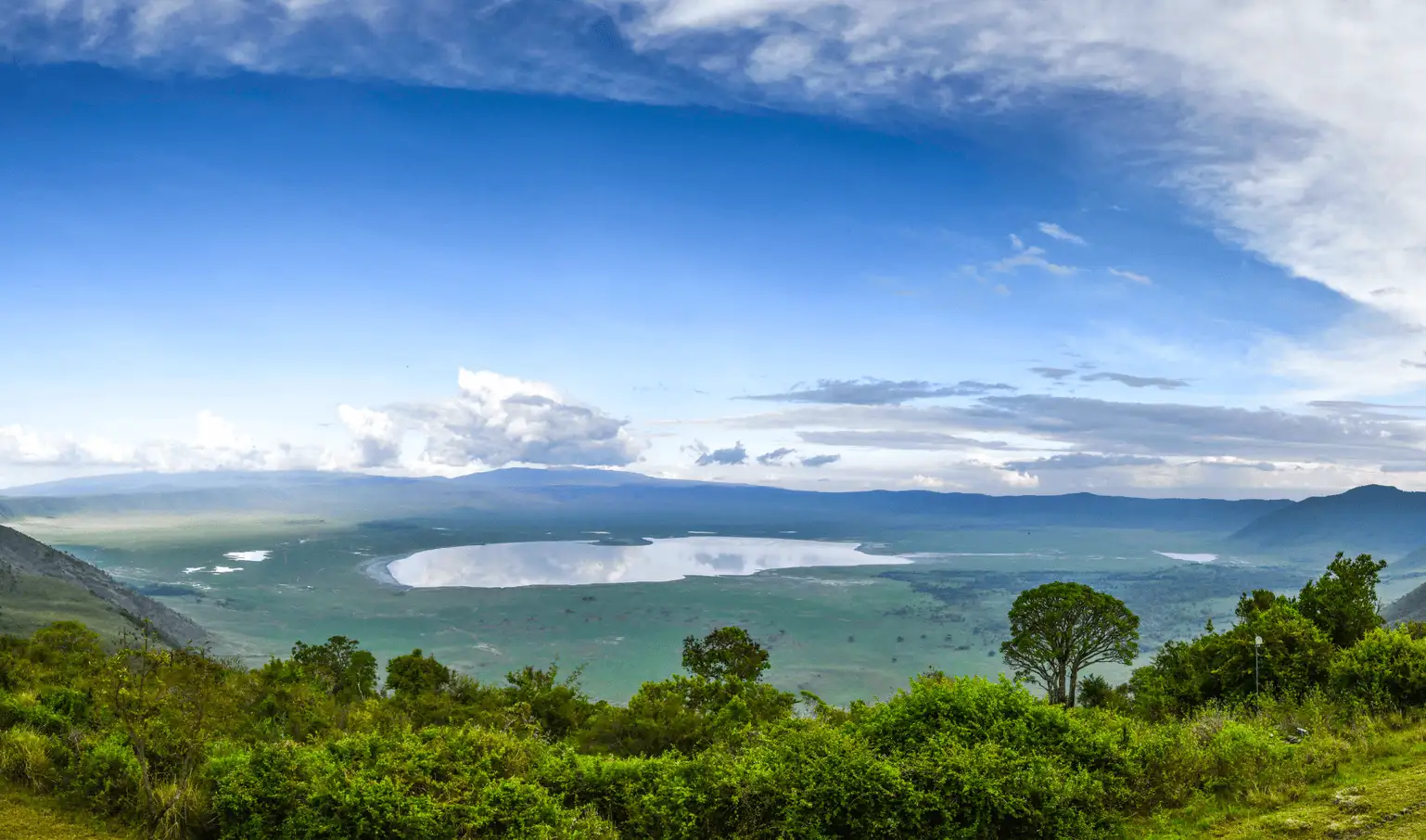
The Ngorongoro Conservation Area (NCA) stands as one of Tanzania’s most iconic safari destinations, combining extraordinary wildlife, dramatic volcanic landscapes, and a thriving Maasai cultural presence. Spanning approximately 8,292 km², this UNESCO World Heritage Site is home to diverse ecosystems ranging from highland forests and sweeping grasslands to wetlands, soda lakes, and rugged rift escarpments. At its heart lies the legendary Ngorongoro Crater the world’s largest intact, unfilled volcanic caldera and one of the most wildlife-rich areas in Africa.
History & UNESCO Recognition
The Ngorongoro region is steeped in both natural and human history. Formed nearly two million years ago, the crater emerged after a massive volcanic collapse, creating the fertile basin we know today. The broader area contains ancient archaeological sites, including fossil discoveries that link Ngorongoro to the early chapters of human evolution.
In 1959, the Ngorongoro Conservation Area was formally established to balance wildlife preservation with the traditional pastoral lifestyle of the Maasai people. Its remarkable biodiversity and cultural importance led to its inscription as a UNESCO World Heritage Site in 1979. Today, the region is managed by the Ngorongoro Conservation Area Authority (NCAA), which oversees conservation efforts, tourism, and community programs.
Geography, Size & Accessibility
The NCA is easily accessed from Arusha, approximately a 3.5–5 hour drive depending on the route and stops. Most travelers visit as part of the Northern Tanzania Safari Circuit, often combined with Serengeti, Lake Manyara, or Tarangire. A 4×4 safari vehicle is highly recommended for navigating internal tracks.
Wildlife & Ecology
Ngorongoro’s enclosed environment supports dense year-round wildlife populations, making it one of Africa’s premier game-viewing destinations.
Key Wildlife Species:
Permanent springs such as Ngoitokitok, lush grasslands, and seasonal wetlands create ideal habitats for breeding herds and predator–prey interactions. Because of its natural enclosure, wildlife is easier to spot here than in most safari destinations.
The Maasai Cultural Landscape
Unlike most national parks, the NCA integrates both wildlife conservation and human settlement, allowing the Maasai to continue their pastoral traditions.
Visitors can enjoy:
Respect and cultural sensitivity are essential always ask before taking photos and follow your guide’s advice.
Top Tourist Activities in Ngorongoro
Best Time to Visit
Ngorongoro is accessible all year; however, temperatures can be chilly due to the high altitude, so warm clothing is recommended.
Essential Visitor Information
Conservation & Community Efforts
The NCA operates a unique mixed-use model, balancing wildlife protection with human livelihoods. Tourism revenue funds:
Sustainable tourism is essential to preserving this globally important ecosystem.
Why Ngorongoro Should Be on Your Tanzania Safari Itinerary
The Ngorongoro Conservation Area offers a rare blend of:
Whether you’re on your first safari or a seasoned traveler returning to Tanzania, Ngorongoro guarantees a spectacular, diverse, and unforgettable experience.


Tel: +255 658 935 114
info@m2mtanzaniaexpeditions.com
sales@m2mtanzaniaexpeditions.com