Tel: +255 658 935 114

Home > Mountain Climbing Articles > Mount Kilimanjaro Climbing Preparation …
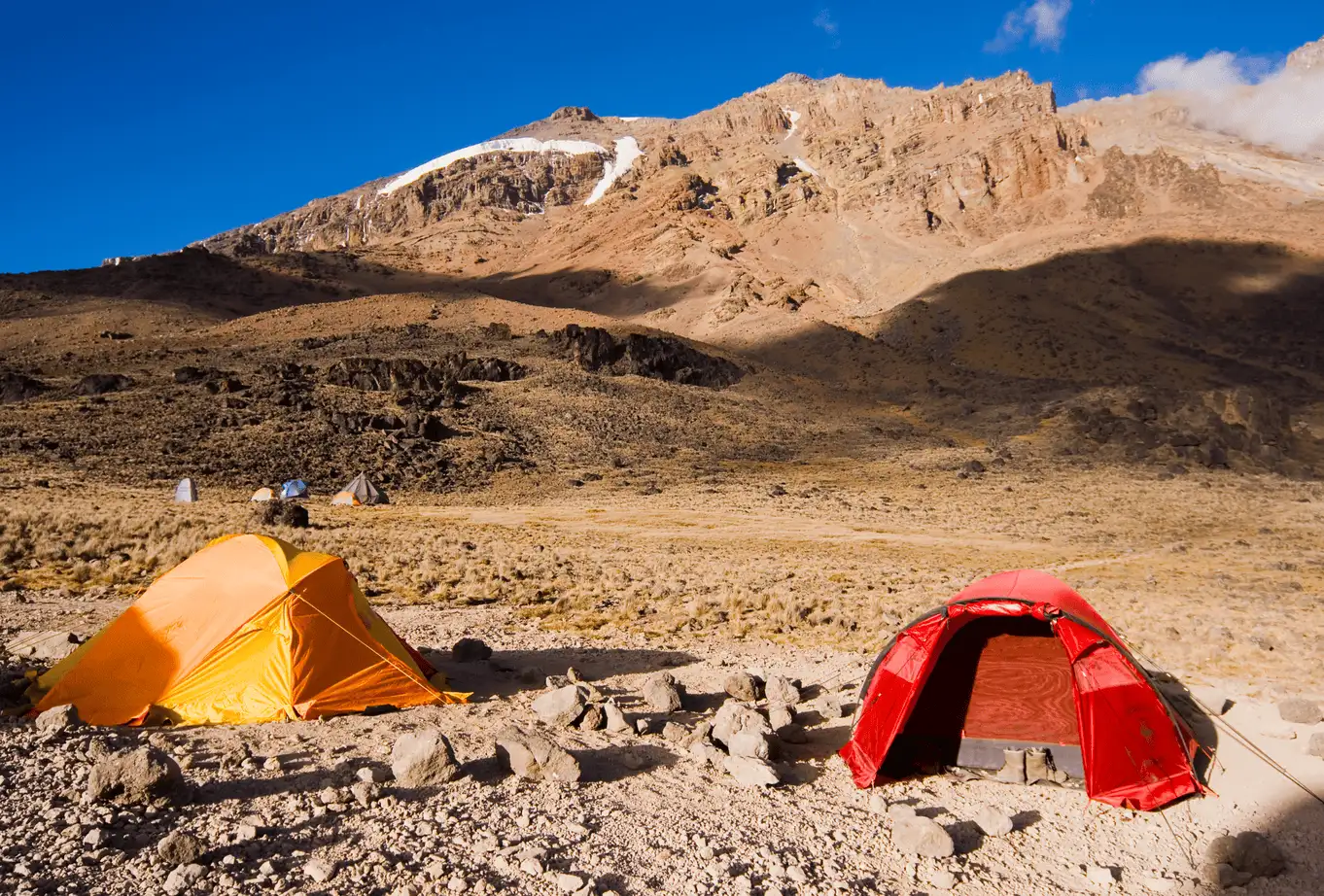
At Mountains 2 Marshes Expeditions, we believe that every successful Kilimanjaro summit begins long before the first step is taken on the mountain. It begins with preparation. Kilimanjaro may be a non-technical climb, but it is a demanding high-altitude expedition that challenges the body, the mind, and your ability to adapt to rapidly changing environments. Rising 5,895 meters above the East African plains, the mountain rewards preparation with one of the most extraordinary achievements a trekker can experience: standing on the summit of Uhuru Peak at the Roof of Africa.
Many climbers arrive expecting a simple trek, only to discover that altitude, stamina, and weather play significant roles in determining success. With the right groundwork physically, mentally, and logistically you greatly increase your chances of reaching the summit safely and enjoying every moment of the journey.
Building the Physical Strength to Succeed
Although Kilimanjaro requires no technical climbing equipment, the trail demands endurance. Days often involve five to eight hours of steady walking, and summit night stretches into a long, continuous push lasting ten to fourteen hours. A well-prepared body handles these challenges with confidence.
A strong training plan should include:
Ideally, trekkers begin training eight to twelve weeks before their climb, building gradually to avoid injury while developing stamina.
Mastering Altitude: The Key to a Safe and Successful Summit
Altitude is the single greatest obstacle on Kilimanjaro. As oxygen levels decrease, the body must adapt or risk developing acute mountain sickness. Preparation involves not only awareness but also smart route selection and pacing.
To acclimatize effectively:
Prior consultation with a medical professional is recommended, especially if considering altitude medication such as acetazolamide. Understanding how altitude affects the body empowers you to trek safely and confidently.
Gear That Supports You From Start to Summit
Kilimanjaro’s climate zones shift dramatically from humid rainforest to moorland, alpine desert, and finally to arctic conditions. Proper gear allows you to adapt to these extremes.
Essential equipment includes:
Choosing gear that fits well and is tested beforehand is vital. Comfort, warmth, and mobility all contribute directly to summit success.
Developing the Right Mindset for High-Altitude Trekking
Beyond physical readiness, Kilimanjaro requires mental endurance. Summit day begins in darkness and cold, with slow, measured steps stretching into the early morning hours. Mental resilience often makes the decisive difference between turning back and pushing forward.
Trekkers should cultivate:
Our guides at Mountains 2 Marshes Expeditions specialize in supporting trekkers mentally as well as physically, ensuring you stay focused and motivated throughout your ascent.
Fueling Your Body: Nutrition and Hydration on the Mountain
The energy required for high-altitude hiking is substantial. Keeping your body nourished and hydrated is essential for maintaining performance and preventing altitude-related complications.
Focus on:
Our mountain chefs prepare fresh, balanced meals daily to keep trekkers energized and strong.
Choosing the Route That Matches Your Ability and Goals
Selecting the right Kilimanjaro route is an integral part of preparation. Each route has its own advantages and demands.
Understanding these distinctions helps you set realistic expectations and prepare accordingly.
Preparation Creates Success
Reaching the summit of Mount Kilimanjaro is an accomplishment shaped by preparation, determination, and the support of a knowledgeable guiding team. When trekkers invest in physical conditioning, understand altitude, equip themselves properly, and strengthen their mental resolve, their journey becomes safer, more enjoyable, and far more rewarding.
At Mountains 2 Marshes Expeditions, we take pride in guiding climbers through every stage of their Kilimanjaro experience before, during, and after the climb. From training guidance to route selection to expert on-mountain leadership, we ensure you have everything you need for a successful, memorable journey to the highest peak in Africa.
If you want this rewritten in a more formal, more persuasive, or more SEO-optimized style, I can tailor it perfectly for your website.


Tel: +255 658 935 114
info@m2mtanzaniaexpeditions.com
sales@m2mtanzaniaexpeditions.com