Tel: +255 658 935 114

home > Top Travel Attractions > Kitulo National Park
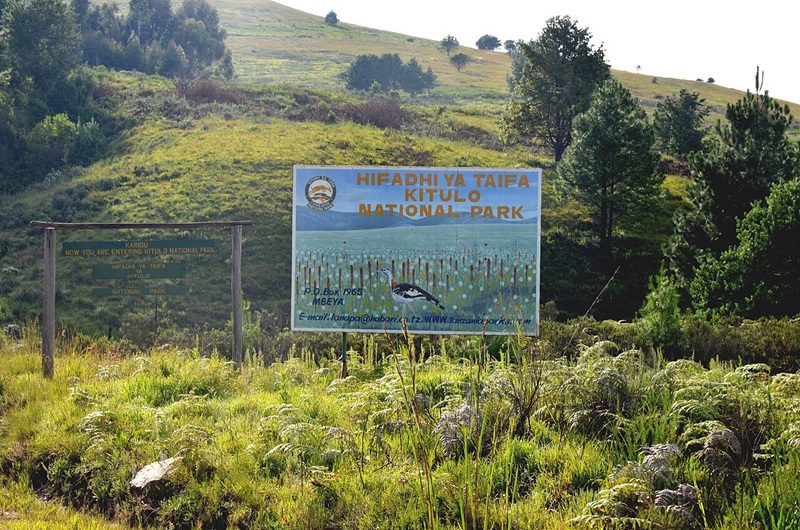
Rising quietly in Tanzania’s southern highlands, Kitulo National Park is often called the “Garden of God” for good reason. Here, rolling montane grasslands give way to vivid flower-filled meadows, misty valleys, and scattered forest patches that create a landscape unlike anywhere else in the country. Remote and less-visited, Kitulo offers travelers a rare combination of ecological diversity, cultural immersion, and peaceful trekking making it a must-see destination for those looking to explore Tanzania beyond the usual safari circuits.
A Brief History of Kitulo National Park
Though formally designated a national park in 2005, Kitulo’s significance stretches back decades. The highlands were long recognized by botanists and naturalists for their extraordinary floral diversity. Prior to park establishment, local communities including the Wanji and Pangwa peoples relied on small-scale agriculture, honey harvesting, and livestock grazing across the plateau. Today, the park protects over 350 species of orchids, numerous endemic plants, and montane wildlife, while promoting eco-tourism that benefits surrounding communities and fosters environmental conservation.
Geography and Topography
Kitulo’s altitude and fertile volcanic soils create an ideal environment for specialized plant communities and highland-adapted wildlife, forming one of Tanzania’s most unique ecological niches.
Getting to Kitulo
Reaching Kitulo is part of the adventure:
Its remoteness ensures fewer crowds and a tranquil wilderness experience, making it ideal for travelers seeking solitude and authentic nature encounters.
Wildlife and Ecology
Flora: Kitulo’s star attraction is its botanical diversity:
Mammals: While Kitulo is not a big-game park, it supports a variety of wildlife adapted to montane habitats:
Birds: A birdwatcher’s paradise with over 200 species, including:
The park’s fragile ecosystems offer a rare opportunity to observe species specially adapted to high-altitude environments.
Attractions and Experiences
Flower Viewing:
The Kitulo Plateau transforms into a kaleidoscope of colors between December and March, when orchids and wildflowers bloom across the meadows. Photographers and botanists alike will find the scenery breathtaking.
Hiking and Trekking:
Trails wind through grasslands, valleys, and forest patches, ranging from short half-day walks to multi-day adventures. Trekkers can observe endemic plants, highland birds, and small mammals while enjoying panoramic views of the southern highlands.
Cultural Encounters:
Local communities continue traditional farming, honey gathering, and craft-making. Visitors can learn about indigenous agricultural practices, medicinal plants, and highland cultural traditions, gaining insight into how human communities interact sustainably with their environment.
Common Activities
Culture and Local Communities
The highlands around Kitulo are home to Wanji and Pangwa villages, whose residents practice subsistence farming and livestock grazing while maintaining traditional ceremonies and craftwork. Cultural tours allow visitors to experience local life, traditional food, and community-led conservation projects, connecting ecological tourism with social understanding.
Practical Visitor Information
Why Kitulo Should Be on Your Tanzania Itinerary
Kitulo National Park is a hidden gem, offering a serene highland experience far from the more frequented safari circuits. Its combination of flowering meadows, montane wildlife, hiking trails, birdwatching, and cultural encounters makes it a unique destination for travelers seeking educational, peaceful, and unforgettable nature experiences.
With Mountains 2 Marshes Expeditions, your visit to Kitulo is thoughtfully curated to balance adventure, learning, and cultural respect, ensuring every traveler leaves with lasting memories and a deeper understanding of Tanzania’s southern highlands.


Tel: +255 658 935 114
info@m2mtanzaniaexpeditions.com
sales@m2mtanzaniaexpeditions.com