Tel: +255 658 935 114

Home > Mountain Climbing Articles > How Hard Is It to Climb Mount Kilimanjaro?
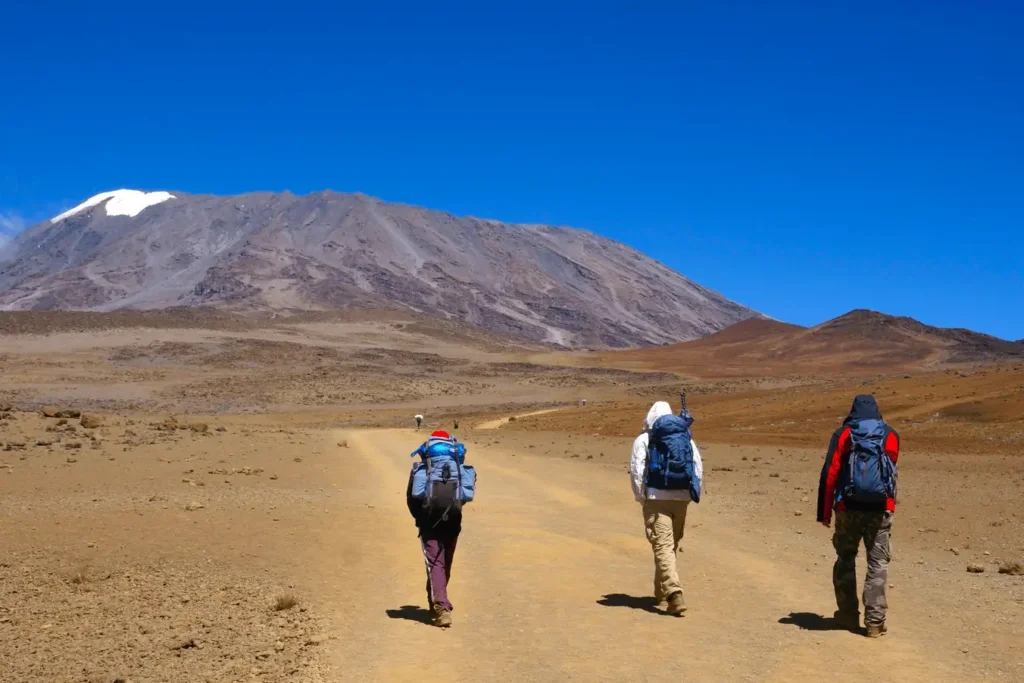
Mount Kilimanjaro rises like a majestic sentinel over northern Tanzania, its snow-capped summit stretching to 5,895 meters (19,341 feet) above sea level. It is the highest free-standing mountain in the world and the pinnacle of adventure for trekkers from around the globe. Unlike technical peaks such as Everest or K2, Kilimanjaro does not require ropes, crampons, or ice axes. This accessibility makes it attainable for beginners but make no mistake, the challenge lies not in technical climbing, but in endurance, altitude, and mental resilience. With careful preparation, most determined adventurers can reach the roof of Africa and witness its unforgettable sunrise.
Understanding the Challenge
Climbing Kilimanjaro is a multi-day trek through dramatically shifting landscapes. Trekkers traverse five distinct ecological zones: tropical rainforest, heath and moorland, alpine desert, and finally the arctic summit. Daily hiking can range from five to ten hours, with progressively thinner air presenting the true obstacle. Even experienced hikers can encounter mild altitude sickness headaches, dizziness, nausea, or fatigue highlighting the importance of acclimatization. Longer routes, like Lemosho, Rongai, or the Northern Circuit, are strongly recommended because they give your body time to adjust, dramatically increasing the likelihood of a successful summit.
Physical Preparation: Fitness for the Trek
You do not need to be an elite athlete, but a solid level of fitness is crucial. Start training at least 8–12 weeks before your climb, focusing on:
The aim is stamina, not speed. Kilimanjaro rewards persistence and patience over raw athletic ability. Mental preparation is equally critical; climbers often find that maintaining a positive mindset is just as important as physical conditioning.
The Altitude Factor
Altitude is Kilimanjaro’s most significant challenge. As you ascend, oxygen levels drop, making each step more demanding. To minimize the risk of acute mountain sickness (AMS):
Proper acclimatization is key; even small adjustments in pace and rest can make the difference between summiting and turning back.
Summit Night: The Ultimate Test
The most demanding phase of the climb is summit night, when trekkers start the final ascent to Uhuru Peak around midnight. This 6–8 hour push involves near-freezing temperatures, thin air, and mental exhaustion. The climb is followed by a descent of several hours back to camp, requiring careful pacing and energy management. Yet, the reward is unparalleled: a sunrise illuminating Africa from its highest vantage point, a memory that remains etched for a lifetime.
Mental Strength: Your Secret Weapon
Mental resilience often determines how difficult the climb feels. Staying positive, trusting your guides, and taking it step by step are vital. Tanzanian guides frequently use the Swahili phrase “pole pole”, meaning “slowly slowly,” to encourage steady progress and energy conservation. Climbers who embrace this approach often find the trek less daunting and more rewarding, enjoying breathtaking scenery and personal triumph with each step.
Essential Tips for Kilimanjaro Beginners
Mountains 2 Marshes Expeditions: Guiding You Safely to the Summit
At Mountains 2 Marshes Expeditions, we design Kilimanjaro climbs that balance adventure, safety, and comfort. Our experienced guides are trained in altitude management, wilderness first aid, and logistical support, ensuring that every stage of your trek is expertly managed. We provide:
Whether it is your first high-altitude adventure or you are a seasoned trekker, we make Kilimanjaro an achievable and unforgettable experience.
The Bottom Line
Climbing Mount Kilimanjaro is not about conquering technical terrain it is about endurance, acclimatization, and mindset. With proper preparation, a gradual approach, and guidance from experienced professionals, almost anyone can reach the summit and witness Africa from its highest point. Mountains 2 Marshes Expeditions is dedicated to helping you turn that dream into reality, creating memories that last a lifetime.
Contact us today to begin planning your Kilimanjaro adventure. Let us guide you from the base to the roof of Africa with safety, comfort, and expert care.
Email: info@m2mtanzaniaexpeditions.com
Mountains 2 Marshes Expeditions – Every Step, A Story, Every Summit, A Memory.


Tel: +255 658 935 114
info@m2mtanzaniaexpeditions.com
sales@m2mtanzaniaexpeditions.com