Tel: +255 658 935 114

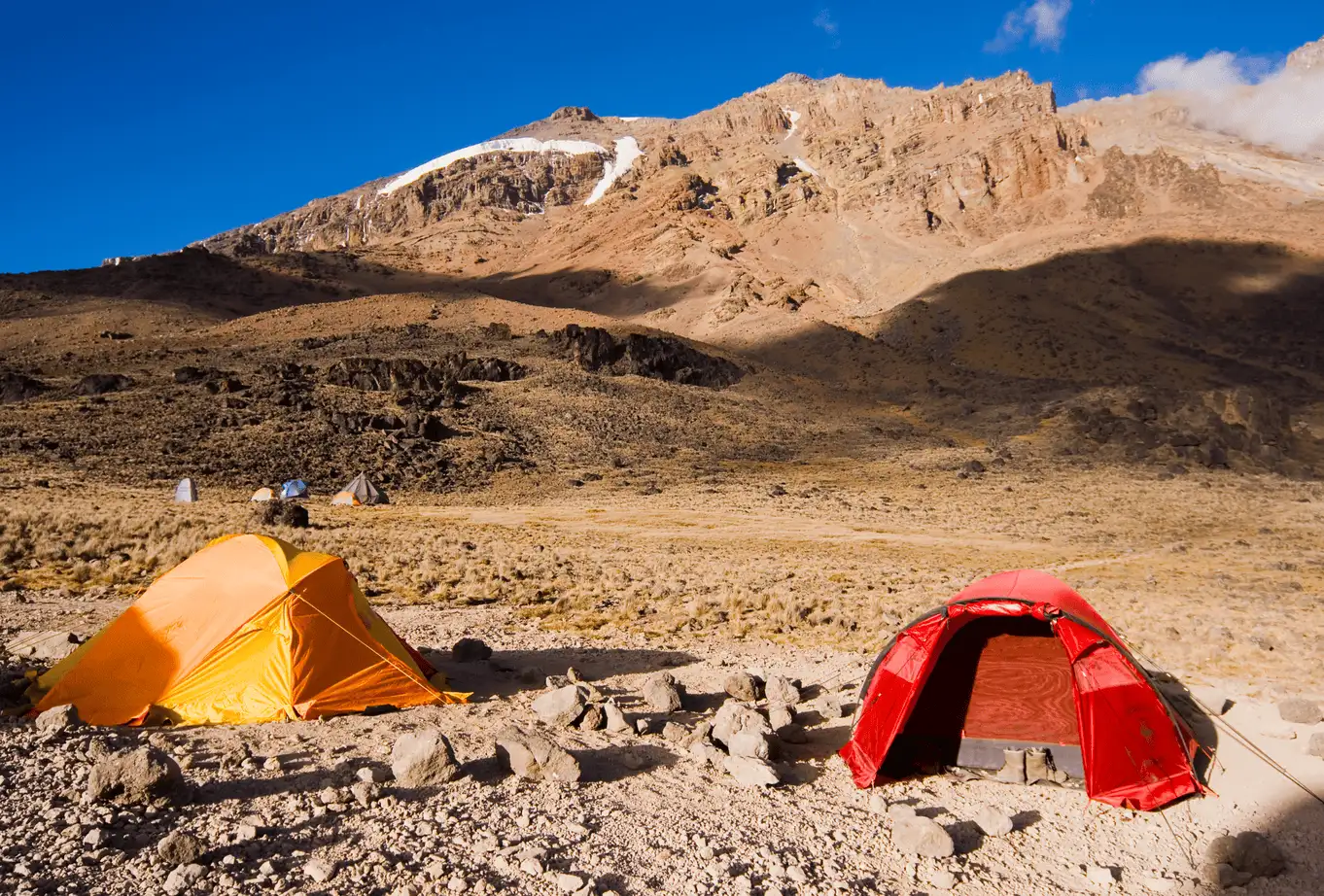
As passionate Tourism Experts we believe that choosing the right time to climb Mount Kilimanjaro is one of the most important decisions you will make as you prepare for Africa’s highest peak. Although Kilimanjaro is climbable throughout the year, each season offers different advantages in terms of weather, visibility, and overall hiking comfort. Because the mountain sits close to the equator, it does not follow the typical four-season cycle; instead, it alternates between dry spells and rainy periods. Understanding these patterns will help you select the ideal climbing window that aligns with your goals whether you prioritize clear skies, quieter trails, or the best photography opportunities.
Climbing During the Dry Seasons
The most favorable time to climb Kilimanjaro falls during its dry seasons: January to mid-March and June to October. These periods offer the most reliable weather, clearer views, and the highest summit success rates.
January to mid-March
This stretch brings warm daytime temperatures, bright skies, and generally stable conditions. It is slightly less busy than the mid-year season, making it perfect for climbers who prefer a quieter yet comfortable ascent.
June to October
This is the most popular climbing season, coinciding with Tanzania’s dry winter. Expect crisp mornings, cool nights, and minimal rainfall. Trails are at their best, and visibility is spectacular, offering sweeping views of the plains and Mount Meru. Because this is the busiest period, routes can be more crowded, but the weather makes it an excellent time for summit success.
Climbing During the Rainy Seasons
Kilimanjaro experiences two rainy seasons: the long rains from March to May and the short rains from November to mid-December. These months bring more challenging trail conditions due to mud, moisture, and cloud cover, but certain trekkers appreciate the solitude.
March to May
The wettest time of the year. Afternoon downpours are common, and the upper slopes often receive fresh snow. While this is the least recommended time to climb, experienced hikers sometimes prefer the peacefulness and empty trails.
November to mid-December
The short rains bring occasional showers, usually in the afternoons or evenings. Conditions remain manageable, and the landscape becomes greener and more scenic. The northern routes, such as Rongai, receive less rainfall and therefore remain a viable option for climbers seeking a quiet experience.
How Seasons Affect Kilimanjaro Routes
Different routes perform better in different months due to terrain exposure and rainfall patterns:
Month-by-Month Weather Snapshot
Altitude and Temperature Considerations
No matter the month, temperatures on Kilimanjaro shift dramatically with altitude. While the base may reach 25°C to 30°C, the summit often drops to below -10°C at night. Climbers move through multiple ecological zones from rainforest to moorland, from alpine desert to Arctic landscapes making layered clothing crucial for comfort and safety.
Best Time for Photography and Scenery
If photographing Kilimanjaro is one of your priorities, the clearest skies occur in January, February, August, and September. Sunrises and sunsets from higher elevations are particularly breathtaking during these months. In the rainy periods, the lower slopes transform into vibrant, lush forests that are ideal for nature photography, even though summit visibility may decrease.
How to Choose the Best Time for Your Ascent
Your ideal climbing season depends on what you value most:
Plan Your Kilimanjaro Climb with M2M Tanzania Expeditions
At M2M Tanzania Expeditions, we guide climbers through the seasonal nuances of Kilimanjaro to ensure their journey is well-timed and unforgettable. Whether you wish to avoid busy trails, catch perfect sunrise photographs, or embark on a quiet and introspective climb, our team will help you choose the best season based on your preferences, experience, and expectations.
Climbing Mount Kilimanjaro is an adventure of a lifetime. With thoughtful planning and the right season, your ascent becomes safer, more comfortable, and far more rewarding. M2M Tanzania Expeditions is committed to helping you reach the summit with confidence, clarity, and true appreciation for the mountain’s ever-changing beauty.


Tel: +255 658 935 114
info@m2mtanzaniaexpeditions.com
sales@m2mtanzaniaexpeditions.com