Tel: +255 658 935 114

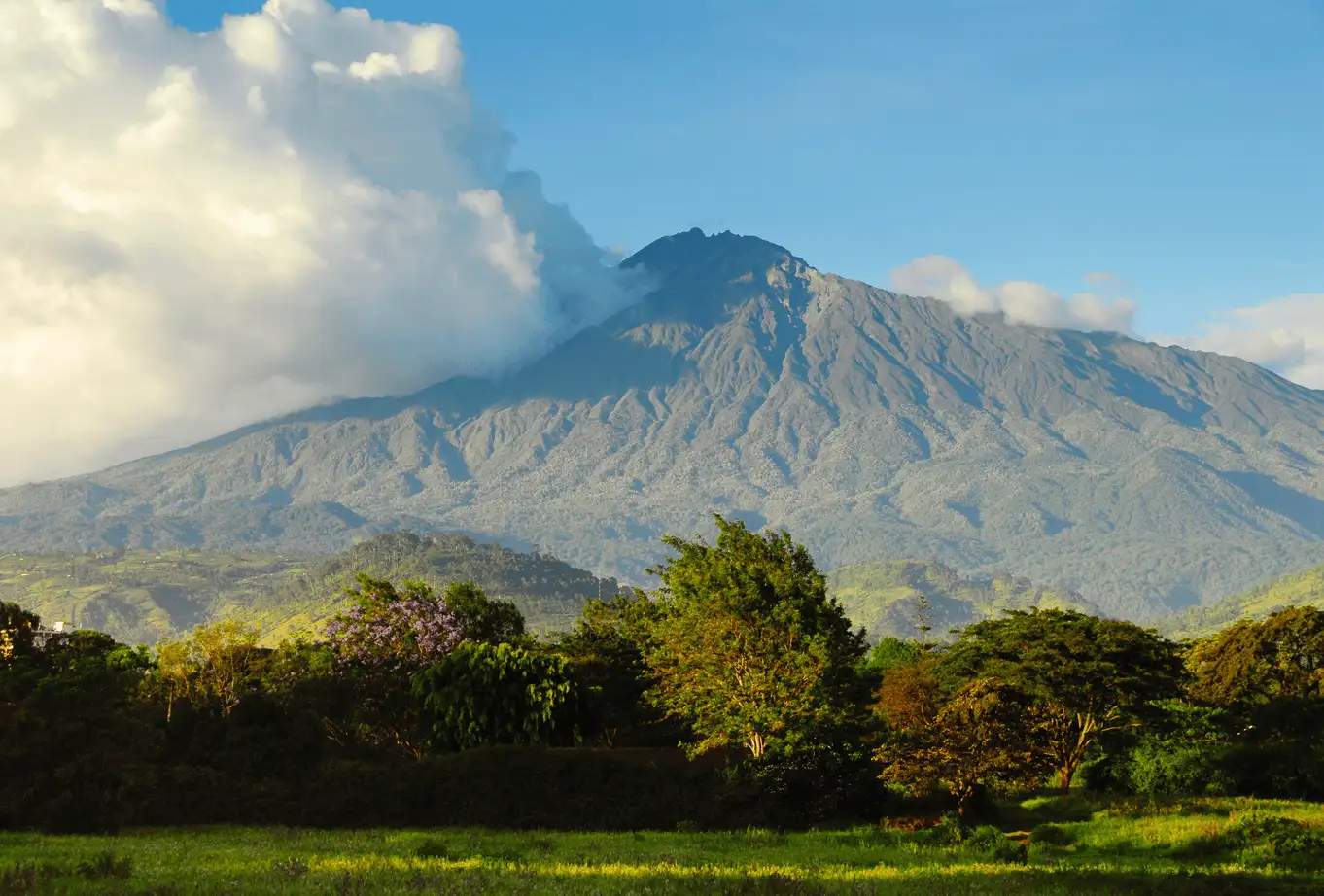
Arusha National Park stands as one of northern Tanzania’s most captivating and easily accessible wilderness areas, offering a remarkable blend of diverse landscapes and rich wildlife within a compact and beautifully varied ecosystem. Nestled at the foot of Mount Meru Tanzania’s second-highest peak rising proudly to 4,566 meters the park encompasses lush montane forests, sweeping savannahs, crater highlands, and tranquil alkaline lakes. Stretching across 1,521 square kilometers, this protected area reveals a mosaic of habitats that cater to wildlife lovers, hikers, photographers, and travelers seeking a memorable day’s adventure before or after exploring the northern safari circuit. Its close proximity to Arusha town and Kilimanjaro International Airport makes it an ideal introduction to Tanzania’s extraordinary natural heritage.
A Brief History of Arusha National Park
Established in 1960, Arusha National Park was created to safeguard the pristine landscapes surrounding Mount Meru and the diverse wildlife that depends on them. Historically inhabited by the WaMeru people skilled farmers and livestock keepers the area has long supported both human life and ecological richness. Conservation efforts have since focused on protecting vital ecosystems such as the Ngurdoto Crater, the Momella Lakes, and the dense forests flanking Mount Meru. Today, the park stands as an example of responsible tourism and careful environmental stewardship, allowing visitors to immerse themselves in nature while maintaining a balanced human–wildlife coexistence.
Geography, Landscapes, and Climate
The dramatic shifts in altitude and vegetation zones create a haven for an impressive array of flora and fauna, making Arusha National Park one of Tanzania’s most ecologically diverse reserves.
Getting to Arusha National Park
The park’s accessibility is one of its strongest advantages:
Its location makes it perfect for day trips, pre-safari excursions, and travelers with tight schedules who still want an authentic wildlife experience.
Wildlife and Ecology
Mammals
Arusha National Park hosts an impressive diversity of wildlife across its different habitats:
Birdlife
With more than 400 species recorded, the park is a paradise for birdwatchers. Highlights include flamingos gliding over the Momella Lakes, African fish eagles, crowned cranes, and numerous migratory species.
Flora
Vegetation changes dramatically with elevation from savannah grasslands to lush montane forests, crater woodlands, bamboo groves, and the wetland ecosystems around the Momella Lakes.
Major Attractions and Highlights
Mount Meru
The towering centerpiece of the park offers scenic multi-day climbs, passing through ancient forests, flower-filled clearings, and breathtaking viewpoints overlooking northern Tanzania.
Ngurdoto Crater
This dramatic volcanic crater features a swampy floor encircled by forested walls, providing safe vantage points for spotting buffalo, zebras, and elephants.
Momella Lakes
Seven alkaline lakes that shimmer in shades of blue and green, attracting flamingos, hippos, and countless bird species perfect for photography and leisurely nature walks.
Ngare Sero Waterfalls
A serene forest hideaway where cascading water creates a refreshing stop for hikers and birdwatchers.
Activities in Arusha National Park
Game Drives
Explore the crater, forests, and lakes during guided drives, particularly rewarding during the early morning and late afternoon.
Hiking and Trekking
From short nature walks to challenging Mount Meru treks, the park offers routes for all fitness levels, with expert guides enriching the experience through ecological insights.
Birdwatching
Excellent year-round, with seasonal highlights that attract both amateur and experienced bird enthusiasts.
Photography
The park’s natural diversity from crater panoramas to lakeside wildlife offers endless opportunities for striking landscape and wildlife photography.
Cultural Experiences
Neighboring Meru communities offer cultural tours where visitors can learn about traditional farming, coffee cultivation, livestock keeping, and local craftsmanship.
Visitor Information and Practical Tips
Why Choose Arusha National Park
Arusha National Park delivers an unforgettable blend of adventure, tranquility, and ecological variety all within one of the most convenient locations in Tanzania. Whether you seek a gentle introduction to safari life, a challenging mountain trek, or a peaceful day surrounded by nature, the park offers something for every traveler. Its scenic beauty, rich biodiversity, and proximity to Arusha make it an essential stop for anyone beginning or concluding their northern Tanzania journey.


Tel: +255 658 935 114
info@m2mtanzaniaexpeditions.com
sales@m2mtanzaniaexpeditions.com