Tel: +255 790085114

home > Top Travel Attractions > Mahale Mountains National Park
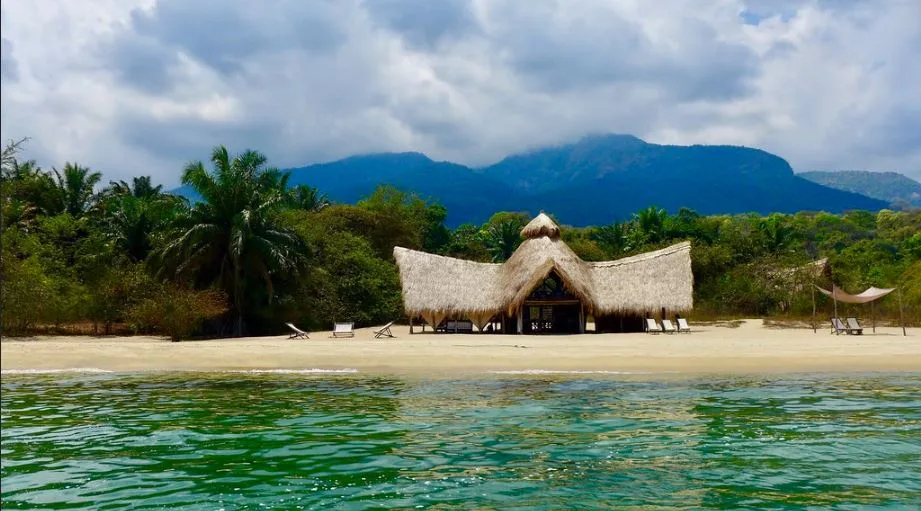
There are few places on the African continent where the boundary between land and water feels as ancient and untouched as it does in Mahale Mountains National Park. Settled on the remote eastern shores of Lake Tanganyika, Mahale is a realm where rugged mountains plunge into one of the world’s deepest freshwater lakes, and dense forests echo with the calls of wild chimpanzees. At Mountains 2 Marshes Expeditions, we regard Mahale as one of Tanzania’s most remarkable wilderness sanctuaries a destination that offers genuine solitude, profound natural beauty, and a level of immersion rarely found in modern travel.
Mahale is a world set apart. There are no roads carving through its forests, no vehicles disturbing its serenity. Every journey here unfolds on foot or by boat, creating an authentic experience that respects the rhythm of the wild. It is a destination for travelers who long for something deeper than a typical safari a place where nature dictates the pace and every step reveals an untouched ecosystem.
A Brief History Rooted in Conservation and Discovery
The origins of Mahale Mountains National Park trace back to decades before its official establishment in 1985. For generations, the Wabande people inhabited these shores, practicing subsistence fishing and small-scale agriculture. Their eventual relocation, though sensitive, was part of Tanzania’s greater conservation vision to protect one of the richest chimpanzee habitats on the continent.
In the 1960s, researchers from Kyoto University began long-term studies of Mahale’s chimpanzees, eventually creating one of the most extensive primate research programs in the world. Their work not only provided invaluable scientific insights but also demonstrated the ecological importance of this region. The park was ultimately gazetted to safeguard over a thousand wild chimpanzees and preserve an ecosystem where tropical rainforests, woodlands, and lake habitats converge.
Mahale remains an emblem of successful conservation, showcasing how research, government protection, and controlled tourism can coexist for the survival of endangered species.
Geography and Ecological Richness
Mahale Mountains National Park occupies approximately 1,650 square kilometers of wild terrain along the shores of Lake Tanganyika. Rising above the lake is the Mahale Mountain Range, culminating in Mount Nkungwe at 2,462 meters above sea level. The mountains are cloaked in a mosaic of ecosystems: montane forest, tropical rainforest, miombo woodland, grassland, bamboo zones, and riverine habitats.
Lake Tanganyika forms the park’s western boundary, an ancient water body renowned for its clarity and biodiversity. As the world’s second deepest lake, it hosts hundreds of unique fish species found nowhere else, making Mahale a biological treasure trove.
The park experiences a dry season from May to October and a wet season from November to April. During the dry months, chimpanzee trekking is at its best, while the rainy season transforms the forest into a vibrant and lush world that appeals to photographers, botanists, and birdwatchers.
Reaching One of Tanzania’s Most Remote Wilderness Areas
Mahale’s very remoteness is part of its allure, yet reaching it is easier than many expect.
By Air
Charter flights operate from Arusha, Dar es Salaam, and Zanzibar to Kigoma Airport, with an average flight time of around three hours. Some exclusive lodges arrange direct charter flights to the Mahale airstrip near the park headquarters.
From Kigoma to Mahale
Travelers transfer from Kigoma to Kasoge or Mgambo village before boarding a boat to cross Lake Tanganyika. The boat journey lasts four to six hours and offers sweeping views of the mountains rising from the lake’s surface.
Though the journey may be long, it prepares travelers for the immersive silence and pristine landscapes that define Mahale.
Wildlife and the Legendary Chimpanzees of Mahale
Mahale is best known for its thriving population of wild chimpanzees over 1,000 individuals, including habituated groups such as the famous M Group monitored since the 1960s. Observing chimpanzees in Mahale is a profound experience. Visitors venture deep into the forest with skilled trackers, following calls, broken branches, and footprints until reaching the troop. Once located, you may witness grooming sessions, playful chases, vocal displays, and complex social hierarchies.
Beyond chimpanzees, Mahale shelters an array of other primates:
Other mammals, though more elusive, include bushbucks, bush pigs, porcupines, warthogs, and even leopards in the deeper forest zones.
The birdlife is equally impressive, boasting over 350 species ranging from forest dwellers to lakeside hunters like the African fish eagle. Lake Tanganyika’s waters teem with more than 250 species of cichlid fish, making snorkeling a surprisingly rewarding activity for freshwater enthusiasts.
Experiences and Activities in Mahale Mountains National Park
This is Mahale’s signature experience. Guided treks vary in length depending on the chimpanzees’ movements, though most last between one and four hours. Once the group is found, visitors spend an intimate hour watching these remarkable primates in their natural element.
Mahale offers exceptional hiking routes, from short trails to full-day treks. The ascent of Mount Nkungwe, though demanding, rewards climbers with astonishing views over Lake Tanganyika and the surrounding forests.
Mahale’s lakeshore is an attraction in itself. Possible activities include:
The convergence of forest, woodland, and lake environments makes Mahale exceptionally rich in bird species. Early morning excursions offer the best sightings.
While the Wabande no longer reside within the park boundaries, communities along the lakeshore maintain traditional fishing practices and cultural heritage. Visits to these villages provide insight into local life and historical connections to the region.
Ecology and Environmental Importance
Mahale sits at a unique ecological crossroads where eastern and central African species overlap. Its forests regulate local climate patterns and help protect the Lake Tanganyika basin. The park’s vegetation includes towering hardwood trees, tangled lianas, bamboo belts, and riverine thickets, supporting a complex network of biodiversity.
The park’s protection is vital not only for chimpanzees but also for numerous plant and animal species that depend on these ecosystems. Mahale stands as a vital stronghold for tropical rainforest conservation in East Africa.
Best Time to Visit Mahale Mountains National Park
The dry season (May to October) is ideal for chimpanzee tracking, as the animals stay closer to the lakeshore and trails remain firm.
During the wet season (November to April), the park becomes lush and green, offering dramatic scenery and exceptional birdwatching opportunities. Photography, botanizing, and lake activities are also excellent during this period.
Final Reflections: The Unmatched Spirit of Mahale
Mahale Mountains National Park is an experience that goes beyond the typical safari. It is a place where the natural world feels untouched, where the forest breathes in harmony with the deep waters of Tanganyika, and where travelers find space to reconnect with the essence of wilderness.
At Mountains 2 Marshes Expeditions, we believe that Mahale represents one of Tanzania’s finest natural treasures. Whether trekking through the ancient forest, watching chimpanzees display their remarkable intelligence, or floating quietly on the lake at sunset, every moment in Mahale is a revelation.
This is a destination for those who seek true immersion, serenity, and wild beauty. Mahale does not just offer a journey it offers a transformation.


Tel: +255 658 935 114
info@m2mtanzaniaexpeditions.com
sales@m2mtanzaniaexpeditions.com