Tel: +255 790085114

home > Top Travel Attractions > Lake Manyara National Park
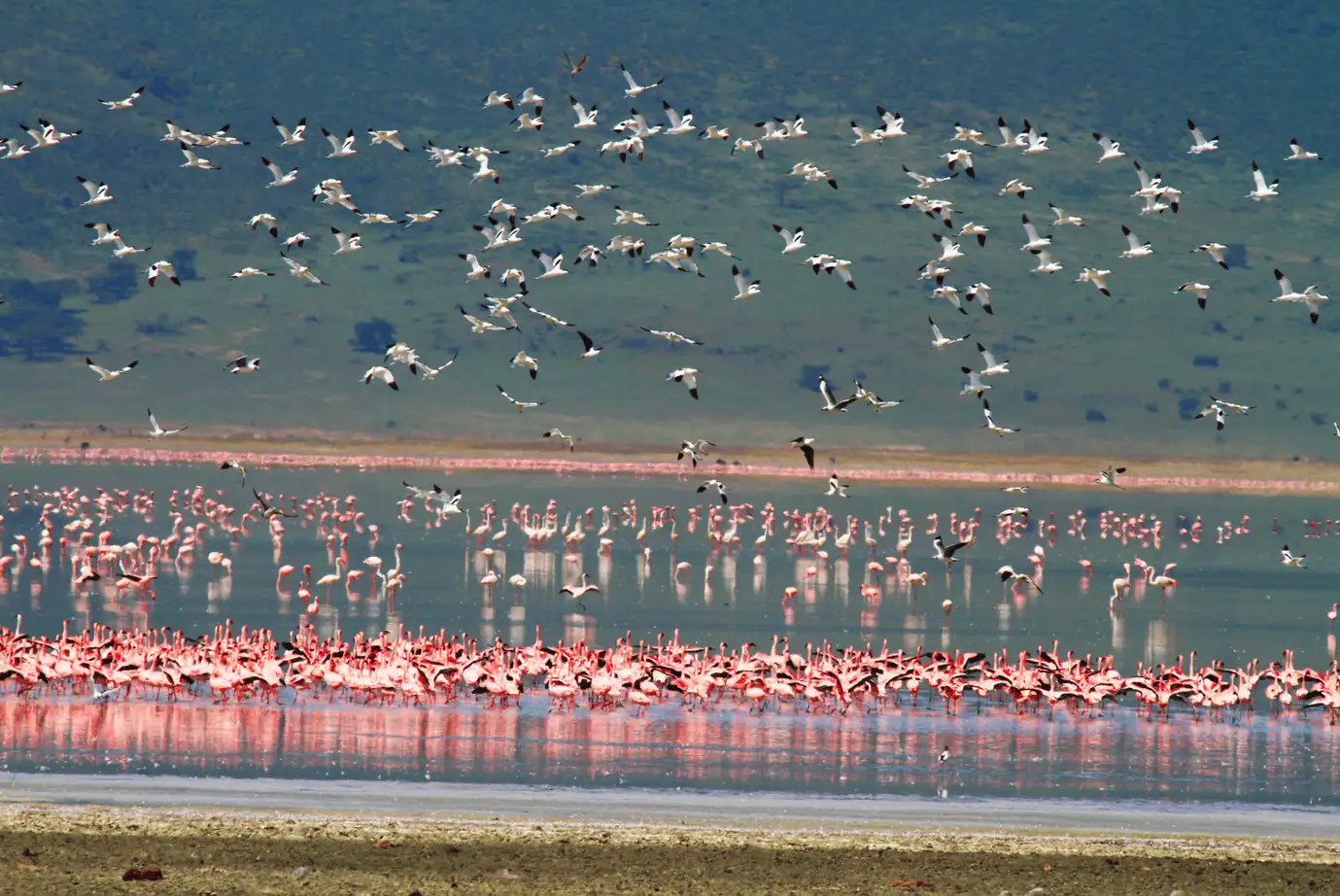
In the heart of northern Tanzania, cradled at the base of the Great Rift Valley escarpment, lies Lake Manyara National Park, a destination where dramatic landscapes, abundant wildlife, and vibrant ecosystems converge. Though smaller than many of Tanzania’s renowned parks, Lake Manyara packs an extraordinary diversity of habitats into a compact area, making it one of the most accessible yet richly rewarding safari destinations. From the towering cliffs of the Rift Valley to the shimmering waters of its alkaline lake, the park is a visual and ecological marvel, attracting travelers, photographers, and bird enthusiasts from across the globe.
A Journey Through Time: History and Conservation
Established in 1960, Lake Manyara National Park is one of Tanzania’s earliest protected areas. Before its designation, the region served as seasonal grazing land and a rich hunting ground for local communities. Conservation efforts in the mid-20th century aimed to protect its unique ecological tapestry, safeguarding forests, floodplains, and the iconic soda lake, as well as its wildlife particularly elephants, lions, and waterbirds.
Today, Tanzania National Parks (TANAPA) manages the park, balancing sustainable tourism with the preservation of its diverse habitats. The park plays a pivotal role in northern Tanzania’s safari circuit, connecting Tarangire National Park, Ngorongoro Conservation Area, and Serengeti National Park.
Geography, Landscape, and Climate
Lake Manyara National Park spans approximately 648 square kilometers, with the lake itself expanding and contracting seasonally, covering nearly two-thirds of the park during the wet season. Elevations range from 960 to 1,200 meters above sea level, creating a range of microclimates that support distinct wildlife communities.
The park’s ecosystems include:
The climate is generally mild, with temperatures between 20°C and 30°C. Rainfall peaks between March and May and again in November, while the dry season from June to October offers clear skies, excellent game-viewing conditions, and easier access to the park’s roads and trails.
Wildlife Highlights
Lake Manyara National Park is a wildlife haven, renowned for its remarkable species and exceptional biodiversity:
Mammals:
Birdlife:
With over 400 recorded species, Lake Manyara is a birder’s paradise. Flamingos flock to the lake when conditions allow, creating spectacular pink reflections, while pelicans, storks, kingfishers, hornbills, and raptors grace the forests and plains year-round.
Ecology:
The interplay of underground springs, seasonal flooding, acacia woodlands, and the soda lake creates a dynamic ecological system. Each habitat supports specialized flora and fauna, from endemic plants to aquatic birds and grazing herbivores.
Safari Activities and Experiences
Guided Game Drives: Explore the park on morning or evening safaris to witness predators hunting, elephants foraging, and flamingos feeding in the lake’s shallows.
Birdwatching Tours: Both lakeshore and woodland birding are spectacular, ideal for beginners and professional birders alike.
Walking Safaris: Gain an intimate understanding of the ecosystem, spotting tracks, insects, and small wildlife with the guidance of an experienced ranger.
Cultural Visits: The nearby town of Mto wa Mbu offers insights into local life, including traditional farming, banana beer brewing, and the daily rhythms of Tanzania’s culturally diverse communities.
Canopy Walkway: Tanzania’s first treetop walkway stretches 370 meters through the forest, providing a unique vantage point to observe birds, monkeys, and forest flora from above.
Access and Location
Lake Manyara National Park is approximately 130 kilometers (2.5 hours by road) from Arusha, making it an easy first stop for multi-day northern safari itineraries. The main entrance at Mto wa Mbu allows convenient access to game drives and cultural excursions. For travelers preferring air travel, chartered flights are available from Arusha or Serengeti to Lake Manyara Airstrip near the park entrance.
A 4×4 vehicle is recommended for navigating the park’s terrain and seasonal conditions, ensuring access to all key areas, including forest trails, lake shores, and escarpment viewpoints.
Accommodation Options
Visitors to Lake Manyara have a range of accommodation choices:
Most lodges provide guided safari options, access to scenic viewpoints, and proximity to the park’s main wildlife zones.
Responsible Tourism and Community Engagement
The communities surrounding Lake Manyara, particularly in Mto wa Mbu, are among the most ethnically diverse in Tanzania, representing over 100 tribes. Mountains 2 Marshes Expeditions encourages responsible travel, ensuring that tourism benefits local livelihoods, supports cultural preservation, and promotes conservation initiatives.
Visitors can engage with local farmers, artisans, and village elders to understand how traditional practices coexist with modern tourism and wildlife conservation.
Why Visit Lake Manyara National Park
Lake Manyara is a destination that offers the full Tanzanian safari experience in a single, accessible location. Witness the rare spectacle of tree-climbing lions, encounter large elephant herds, marvel at flamingos painting the lake pink, and explore diverse habitats from forest to plains. Its strategic location, compact size, and extraordinary wildlife diversity make it an ideal starting point for multi-day safari circuits including Tarangire, Ngorongoro, and Serengeti.
At Mountains 2 Marshes Expeditions, we design tailor-made Lake Manyara safaris, from one-day excursions to multi-park adventures. Our expert guides provide safe, informative, and immersive experiences, ensuring every visitor leaves with unforgettable memories of one of Tanzania’s most enchanting national parks.


Tel: +255 658 935 114
info@m2mtanzaniaexpeditions.com
sales@m2mtanzaniaexpeditions.com