Tel: +255 790085114

Home > Weather In Tanzania
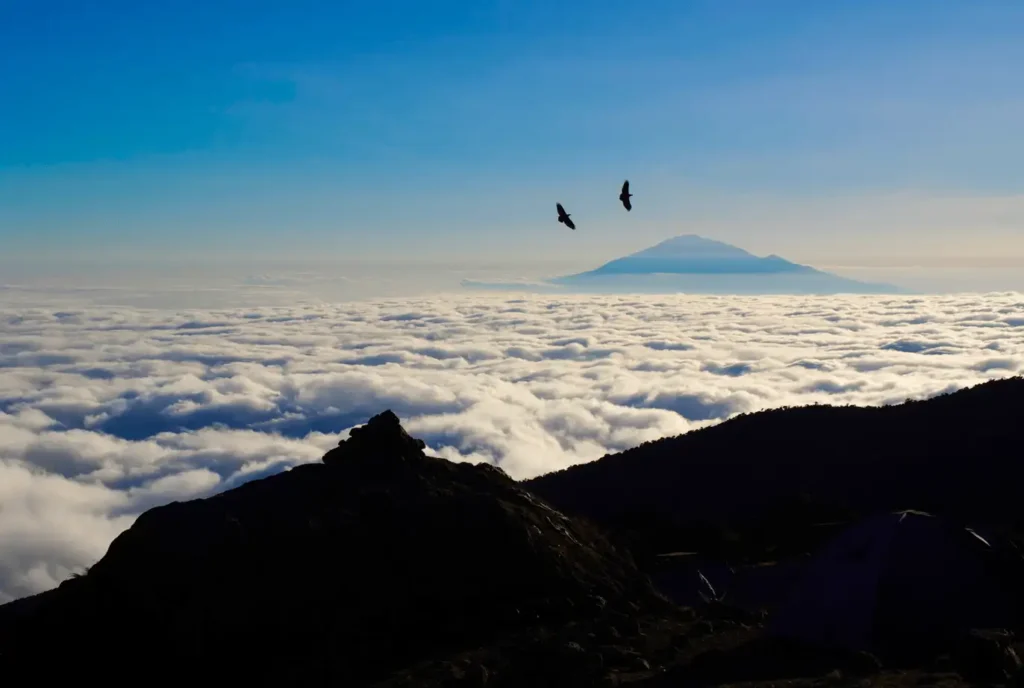
Tanzania is a land of extraordinary contrasts where vast savannahs meet tropical coastlines, and snow-capped peaks rise above lush forests. From the sweeping plains of the Serengeti to the spice-scented shores of Zanzibar, and the majestic slopes of Mount Kilimanjaro, Tanzania’s climate varies greatly by region and altitude. Understanding the country’s weather patterns is key to planning your ideal safari, mountain trek, or beach retreat. At Mountains 2 Marshes Expeditions, based in Arusha, we help travelers choose the perfect time to experience Tanzania’s magnificent diversity in comfort and style.
General Climate Overview
Tanzania enjoys a tropical climate with warm temperatures year-round, influenced by elevation and proximity to the Indian Ocean.
The Dry Season (June to October)
The dry season is the most popular time for safaris and outdoor adventures across Tanzania. Days are sunny, clear, and comfortable, with low humidity perfect for wildlife viewing and mountain climbing. Vegetation thins out, making animals easier to spot as they gather near rivers and waterholes. Parks such as Serengeti, Ngorongoro, Tarangire, and Lake Manyara offer exceptional game viewing during this period.
This is also the best time to climb Mount Kilimanjaro or Mount Meru, as trails remain dry and visibility is outstanding. Daytime temperatures average 20°C to 30°C (68°F to 86°F), but mornings and evenings can be cool, especially in highland regions.
The Short Rains (November to December)
The short rainy season brings brief, refreshing showers, often in the late afternoons or evenings, without significantly affecting safari plans. The rains revive the landscape, painting the plains lush green once again a delight for photographers and nature lovers.
Visitor numbers drop slightly, offering a more peaceful and intimate safari experience. This is also a fantastic time for birdwatching, as migratory species return to Tanzania’s lakes and wetlands.
The Long Rains (March to May)
From March through May, Tanzania experiences its long rainy season, characterized by heavier and more persistent rainfall, particularly in April. Some remote lodges and camps may close temporarily due to accessibility challenges. However, for those who don’t mind occasional rain, this season offers a beautifully green landscape, fewer tourists, and excellent photography conditions with dramatic skies and vibrant colors.
Accommodation rates are typically lower during this time, making it a great option for travelers seeking value and solitude. Temperatures range from 22°C to 28°C (72°F to 82°F) depending on the region.
The Warm Season (January to February)
These months are generally warm and dry, especially in northern Tanzania, making them another prime window for safaris. In the southern Serengeti, this is the wildebeest calving season, when hundreds of thousands of young are born, attracting predators and creating spectacular wildlife moments.
Along the coast and on the islands of Zanzibar, Pemba, and Mafia, travelers can expect hot, sunny days ideal for beach relaxation, diving, and snorkeling. Coastal temperatures typically range from 28°C to 34°C (82°F to 93°F), with cooler evenings inland.
Regional Weather Differences
Tanzania’s weather varies widely across its distinct regions:
Weather Tips for Travelers
At Mountains 2 Marshes Expeditions, our team helps you tailor your itinerary to match your travel style, preferred conditions, and seasonal highlights.
When to Visit for the Best Experience
Plan Your Adventure with Mountains 2 Marshes Expeditions
At Mountains 2 Marshes Expeditions, we specialize in personalized journeys designed around Tanzania’s seasonal rhythms. Whether you’re seeking an exhilarating safari, a challenging mountain climb, or a peaceful island retreat, our experienced team ensures you travel at the right time for the right experience.
For more information or to plan your next Tanzanian adventure, contact us at +255 759 945 320 or email info@m2mtanzaniaexpeditions.com.
Let Mountains 2 Marshes Expeditions be your trusted guide to discovering Tanzania from its mighty mountains to its tranquil marshes and beyond.


Tel: +255 658 935 114
info@m2mtanzaniaexpeditions.com
sales@m2mtanzaniaexpeditions.com